Table of Contents
ToggleA white bathroom vanity is the foundation of countless bathroom redesigns, and for good reason. Clean, versatile, and endlessly adaptable to any design scheme, white vanities pair beautifully with everything from subway tile to bold wallpaper. Whether you’re refreshing a cramped powder room or overhauling a master bath, selecting the right white vanity with sink isn’t just about aesthetics. You’ll need to consider your space’s dimensions, your plumbing layout, storage needs, and the materials that’ll stand up to daily moisture and humidity. This guide walks you through the decision-making process, installation considerations, and maintenance strategies to help you choose a white bathroom vanity that’s both functional and stylish.
Key Takeaways
- White bathroom vanities are a smart design choice because they visually expand small spaces, act as a neutral anchor for evolving styles, and improve home resale appeal with their clean, classic aesthetic.
- When selecting a white vanity with sink, measure your bathroom twice, verify plumbing rough-in locations, and choose a size between 24 to 48+ inches based on your space and traffic flow needs.
- Prioritize durable materials such as engineered wood with moisture-resistant finishes, quality hardware rated for humidity, and proper ventilation with an exhaust fan to prevent damage and mold growth.
- White bathroom vanities with matte or satin finishes hide smudges better than high-gloss options, while engineered wood with lacquer or poly coating offers affordability and moisture resistance.
- Install a white vanity only on wall studs using lag bolts or heavy-duty brackets, use 100-percent silicone caulk to flex with seasonal movement, and maintain the vanity through daily wiping, weekly cleaning, and recaulking every 2–3 years.
- Standard vanity heights range from 30–32 inches for comfort to 33–36 inches for ADA compliance and reduced back strain, allowing you to customize based on your household’s needs.
Why White Bathroom Vanities Are a Smart Design Choice
White bathroom vanities dominate design because they’re genuinely practical, not just trendy. Light colors visually expand small spaces, making a cramped bathroom feel more open and airy. A white vanity acts as a neutral anchor, letting you shift wall colors, tile patterns, or hardware finishes without expensive replacement. Resale appeal matters too, homes with clean, classic white vanity bathrooms consistently attract buyers because there’s no guesswork about whether the deep navy or bold jewel-tone vanity will clash with their vision.
From a maintenance perspective, white shows dust and water spots, yes, but it’s easy to touch up. Unlike darker finishes that fade unevenly over time, white paint or finish damage is simpler to address with a quick refresh or spot treatment. White also pairs naturally with both warm and cool-toned hardware, lighting, and accessories. That flexibility means your bathroom evolves as your style does, the vanity stays, but the mirror frame, faucet, and lighting can shift to match new preferences without any awkwardness.
Popular White Vanity Styles for Every Bathroom
Modern and Minimalist Designs
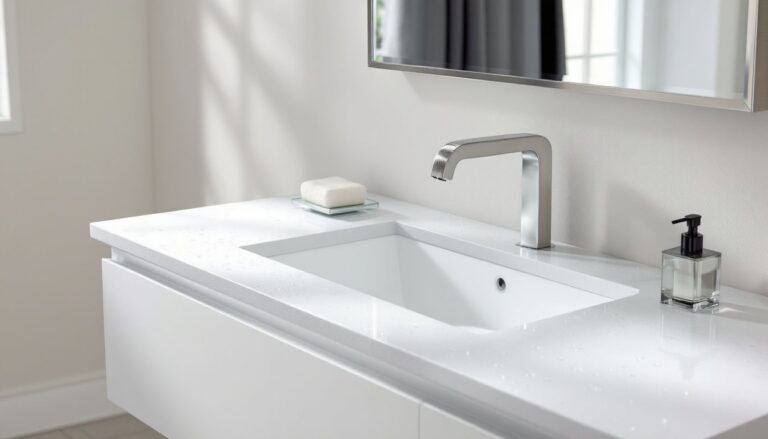
Modern white vanities strip away ornamentation and emphasize clean lines, flat-front cabinetry, and integrated hardware. These typically feature handleless drawers or subtle recessed pulls, mounted on the wall to expose floor space and simplify cleaning. The high-gloss white finish, like the Dolce 30-inch high-gloss white vanity, reflects light and emphasizes the geometric purity of the design. Paired with floating shelves, modern metallic fixtures, or matte black accents, this style works in contemporary homes or urban apartments.
Minimalist vanities often sacrifice storage in favor of visual calm. A 24-inch white bathroom vanity with sink might sit atop a single pedestal or narrow base, ideal for powder rooms where you need functional elegance without bulk. The trade-off is less drawer space, so plan your bathroom storage accordingly, wall-mounted medicine cabinets or open shelving fill the gap.
Farmhouse and Cottage Aesthetics
Farmhouse white vanities embrace turned legs, beadboard sides, vintage-style hardware, and distressed or matte finishes that feel warm and approachable. These vanities often feature open shelving below the sink or drawers with ceramic knobs and oil-rubbed bronze fixtures. The aesthetic softens a bathroom, especially when combined with shiplap, vintage mirrors, or rustic lighting.
Cottage-style white vanities, typically 30 to 48 inches wide, include more decorative molding, arched doors, and sometimes wainscoting or leg detailing. A white vanity bathroom in farmhouse style pairs beautifully with subway tile, vintage brass fixtures, and natural wood accents. These pieces are usually freestanding, making them easier to install in older homes without major plumbing rework. The downside is that ornate styles collect dust in crevices and require more careful cleaning.
Sizing and Selecting the Right Vanity for Your Space
Measure your bathroom twice. Sounds obvious, but most DIY vanity installation issues stem from undersized openings, unexpected plumbing vents, or miscalculated clearance above the toilet or in front of the door swing. Standard vanity widths are 24 inches (tight powder rooms), 30 inches (efficient), 36 inches (spacious), and 48+ inches (luxury or double-sink layouts).
Check your plumbing rough-in before ordering. The drain line and water supply lines typically sit 4–6 inches from the wall and about 20 inches above the finished floor. A white vanity with sink that shifts your drain location might require a licensed plumber to reroute drain lines, adding cost and complexity. If your existing vanity has the plumbing in an awkward spot, confirm whether a new vanity can work with those same connections.
Counter height matters. Standard vanities measure 30 to 32 inches tall: comfort height or ADA-compliant versions reach 33 to 36 inches. Taller vanities reduce back strain if you’re tall, but they may feel too high in small spaces or if you have children. Test heights by standing at similar-sized kitchen islands or showroom displays, you’ll know immediately what feels right.
Consider traffic flow. In a shared bathroom, a 48-inch white vanity with dual sinks and storage prevents morning bottlenecks. In a guest bath, a narrow 24-inch vanity wastes less floor space. The layout of your bathroom, whether the vanity faces the door, sits along a wall, or occupies a corner, changes what size works practically.
Materials and Finishes That Last
Solid wood vanities, oak, maple, or birch, offer durability and warmth, but they require sealing to resist moisture. Many white bathroom vanities use engineered wood (plywood or MDF) with a white lacquer or poly finish, which is more affordable and moisture-resistant than solid wood. But, if water breaches the finish through a scratch or joint, swelling and rot follow quickly. Always apply caulk around seams and keep the vanity adequately ventilated to prevent humidity buildup.
High-gloss white finishes are visually striking and reflect light beautifully, but they show fingerprints and water spots constantly. Matte or satin white finishes hide smudges better and feel more modern or understated. Distressed or hand-painted finishes add character and age gracefully, minor chips look intentional rather than sloppy.
The countertop material matters as much as the vanity cabinet. Cultured marble, quartz, and granite are durable and moisture-resistant. Laminate is budget-friendly but prone to delamination if water seeps under the edges. If you’re reusing an existing countertop, confirm it’s stable and properly sealed before installing a new white vanity cabinet underneath.
Drawer slides and hinges should be full-extension and soft-close to prevent slamming and last years longer. Metal brackets and supports should be stainless steel or brass-coated to resist corrosion. Cheap hardware fails within a few years in bathrooms: it’s worth spending 20 percent more for components rated for moisture.
Installation and Maintenance Tips
Before installation, confirm your bathroom is properly ventilated. A functional exhaust fan running 20 minutes after every shower is non-negotiable: without it, excess moisture damages vanity finishes and promotes mold. If your bathroom lacks adequate ventilation, install or upgrade your exhaust fan first, it’s far easier before the new vanity goes in.
Measure plumbing connections exactly and mark the wall studs before setting the vanity. Most white bathroom vanities mount to studs using lag bolts or heavy-duty brackets, never rely on drywall alone. If your rough-in doesn’t align with studs, you may need a licensed plumber to relocate supply and drain lines. This isn’t a cosmetic project: it affects both function and code compliance. Check local building codes to confirm whether your jurisdiction requires permits or professional installation for plumbing work.
Caulk around the vanity top and the base where it meets the wall or floor. Use 100-percent silicone caulk in bathrooms, it flexes with seasonal movement and resists mold better than acrylic. Avoid caulking inside the cabinet beneath the sink if you have shutoff valves: you need access for maintenance and repairs. Remodelista offers curated design resources for vanity inspiration and product guidance.
Daily maintenance keeps white vanities looking new. Wipe spills immediately to prevent spotting. Use a soft cloth and mild soap or a pH-neutral bathroom cleaner, avoid abrasive scrubbers that dull finishes. Weekly, spray the mirror and front surfaces with a streak-free cleaner. Monthly, open cabinets and drawers to check for moisture buildup or mold spots. If you spot mold or mildew inside, improve ventilation and apply a mold-inhibiting spray. Recaulk seams every 2 to 3 years or sooner if you notice gaps or discoloration. HGTV’s design resources provide bathroom renovation inspiration and maintenance guidance for homeowners seeking long-term care strategies.