In the wild world of real estate, two terms often steal the spotlight: appreciating and depreciating property. If you think they’re just fancy words tossed around by agents in sharp suits, think again. Understanding these concepts could mean the difference between cashing in on your investment or watching your hard-earned money vanish faster than a magician’s rabbit.
Understanding Property Value
Property value fluctuates depending on various factors. Appreciation occurs when a property increases in value over time. This increase often results from demand in specific locations, improvements to the property, or broader economic growth. Market trends play a significant role in this growth.
Depreciation, conversely, reflects a decrease in property value. External factors such as economic downturns, neighborhood changes, or physical deterioration often contribute to this decline. Recognizing local market conditions helps investors understand potential depreciation factors.
Effective property management can influence both appreciation and depreciation. Proper maintenance, renovations, and strategic upgrades promote higher property values. Investors should consider historical trends in specific areas to gauge the likelihood of value changes.
Analyzing comparable properties often provides insight. Evaluating similar properties on the market helps investors determine the potential for appreciation or depreciation. Financial metrics, like the price-to-earnings ratio, can aid in assessing whether a property is undervalued or overvalued.
Understanding the causes behind property value changes empowers investors to make informed decisions. Keeping an eye on economic indicators and local developments ensures awareness of factors that might impact value. Appraisers and real estate professionals offer crucial insights into current property trends and forecasts.
Depreciating Property
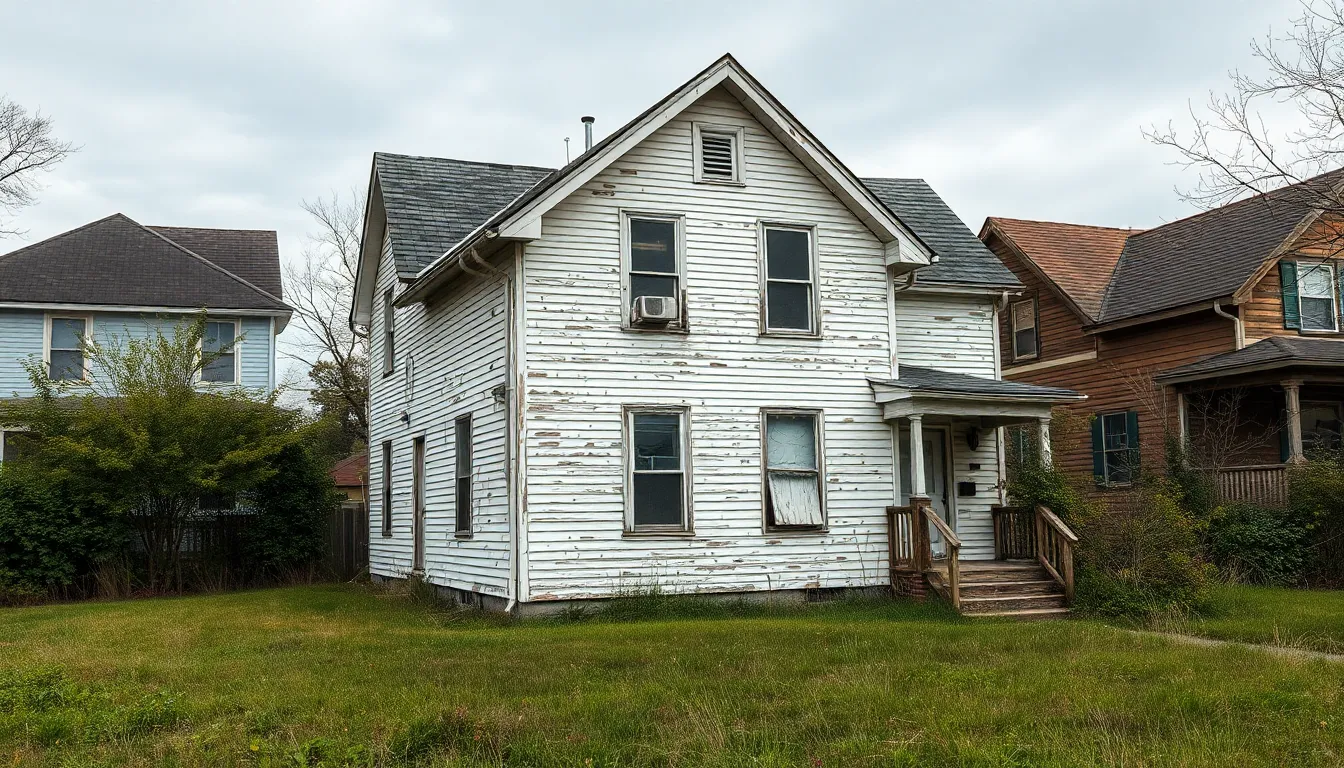
Depreciating property represents real estate that loses value over time. Various factors contribute significantly to this decline, affecting investment outcomes.
Factors That Contribute to Depreciation
Economic downturns often lead to decreased demand for properties. Neighborhood changes result in less desirability, impacting property values negatively. Age-related wear and tear can detract from a property’s appeal. Market saturation occurs when too many similar properties flood an area, driving prices down. Additionally, inadequate maintenance leads to physical deterioration, steering potential buyers away.
Common Examples of Depreciating Properties
Older homes in declining neighborhoods frequently experience value drops. Properties near factories or landfills often lose appeal due to environmental concerns. Foreclosed properties usually sell at lower prices, reflecting their state of neglect. Rental units that have poor tenant management or lack upgrades tend to depreciate as well. Commercial buildings facing increased competition may see a decline in market value as businesses shift to newer locations.
Appreciating Property
Property appreciation occurs when its value increases over time. Various factors influence this growth, including demand dynamics, economic stability, and property enhancements.
Factors That Contribute to Appreciation
Economic growth drives demand for housing and commercial properties. Increased job opportunities often lead to higher populations in certain areas, amplifying competition among buyers. Upgraded facilities or renovations also enhance property desirability. Additionally, improvements in local infrastructure, such as roads and schools, attract more residents. Favorable interest rates can encourage investments in real estate, resulting in value increases.
Common Examples of Appreciating Properties
Urban locations typically feature high-demand properties, especially near business districts. Newly developed neighborhoods often see significant appreciation due to modern amenities and better living conditions. Properties with scenic views or waterfront access generally command higher prices. Historic homes in well-maintained areas can also appreciate as buyers seek unique, character-rich options. Finally, properties in regions experiencing population booms indicate consistent value increases, reflecting both demand and investment potential.
Investment Considerations
Understanding the investment dynamics of appreciating and depreciating properties is crucial for making informed decisions. Investors must weigh both the risks and benefits associated with each type.
Risks of Depreciating Properties
Investing in depreciating properties exposes investors to significant financial losses. Economic downturns often correlate with declining demand, negatively affecting property values. Age-related wear and tear further diminishes attractiveness over time. Neighborhood changes can shift desirability, especially in areas facing increased crime or declining schools. Market saturation leads to heightened competition, resulting in reduced prices. Properties that require excessive maintenance often become liabilities, draining resources. Foreclosures and poorly managed rentals present additional risks, as they frequently attract undesirable tenants or fail to generate adequate returns.
Benefits of Appreciating Properties
Investing in appreciating properties offers numerous advantages. Demand dynamics drive increased values, especially in growing economies. Economic stability fosters job opportunities, attracting more residents and potential buyers. Upgraded facilities, renovations, and improved infrastructure add significant appeal to properties. Locations near urban centers or developing neighborhoods often see consistent value growth. Historic homes in well-maintained areas represent another opportunity, as they attract buyers with interest in preservation. Regions experiencing population booms consistently indicate strong investment potential. These factors combined position appreciating properties as valuable assets in a diversified portfolio.
Conclusion
Understanding the difference between appreciating and depreciating property is crucial for any real estate investor. By recognizing the factors that drive property values, investors can make informed decisions that align with their financial goals. Investing in appreciating properties offers the potential for long-term growth and stability, while being aware of the risks associated with depreciating properties can help mitigate losses.
Staying informed about market trends and local developments is essential for navigating the real estate landscape. With the right knowledge and strategies, investors can position themselves for success in both appreciating and depreciating markets, ultimately enhancing their investment portfolios.